Vinyl Fence Installation in Cambridge, MA
Low-Maintenance Privacy and Picket Systems
Vinyl is the honest choice for a homeowner who does not want to think about the fence again. It does not rot, does not need staining or sealing, and washes clean with a hose. Against that, it costs more at installation than pressure-treated wood, it cannot be repaired board by board the way a wood fence can, and a damaged panel is replaced as a unit. That trade is the whole decision, and it depends on how long you intend to own the property. The installation detail that separates a good vinyl fence from a disappointing one is post work. Vinyl posts are hollow, so they rely entirely on the footing and, at gates and ends, on internal steel reinforcement. Set shallow, a vinyl fence heaves like any other, and because the panels are rigid the movement shows immediately as gaps at the rails. We set below frost depth and reinforce gate and terminal posts as standard rather than as an upgrade. Style-wise, vinyl reads as contemporary, which suits some Cambridge streets better than others. On a nineteenth-century facade in a conservation district it is usually not the right call, and we will point that out before it reaches the commission.
Layout matters more with vinyl than with wood because panels come in fixed widths and cannot be trimmed on site the way boards can. We measure the run, plan post positions to land on full panels, and work out where a partial section is unavoidable before ordering. Gate openings are set at the same time. Once material arrives, installation moves quickly, since the posts carry the load and the panels drop into place. Reordering a run that was sized wrong costs weeks, so the measure is the stage worth getting right.
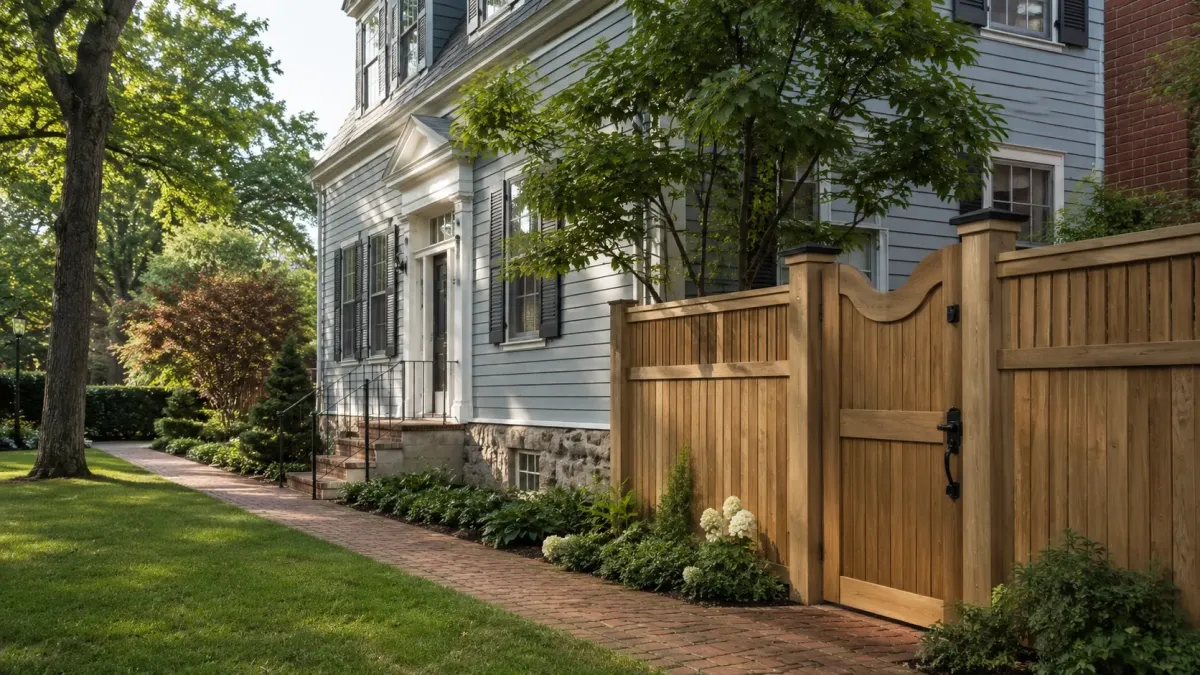
What's Included in our Vinyl Fence Installation service?
Privacy and Semi-Privacy Panels
Solid, lattice-top and picket-top panel systems supplied in standard stock heights.
Post Depth and Reinforcement
Steel-reinforced gate and terminal posts, with footings set below frost depth.
Colour and Texture Options
White, tan and woodgrain finishes that hold colour without repainting.
Proudly serving Cambridge, Belmont, Somerville, Arlington, Newton and Brookline for 11+ years.
Comprehensive Fence Installation Services in Cambridge
Tailored to Your Needs
Ten services, from privacy and pool fencing through to repair, gates and association work. Most Cambridge projects touch more than one. A privacy run usually needs a gate, and a repair often turns up posts set in something that will not hold another panel.
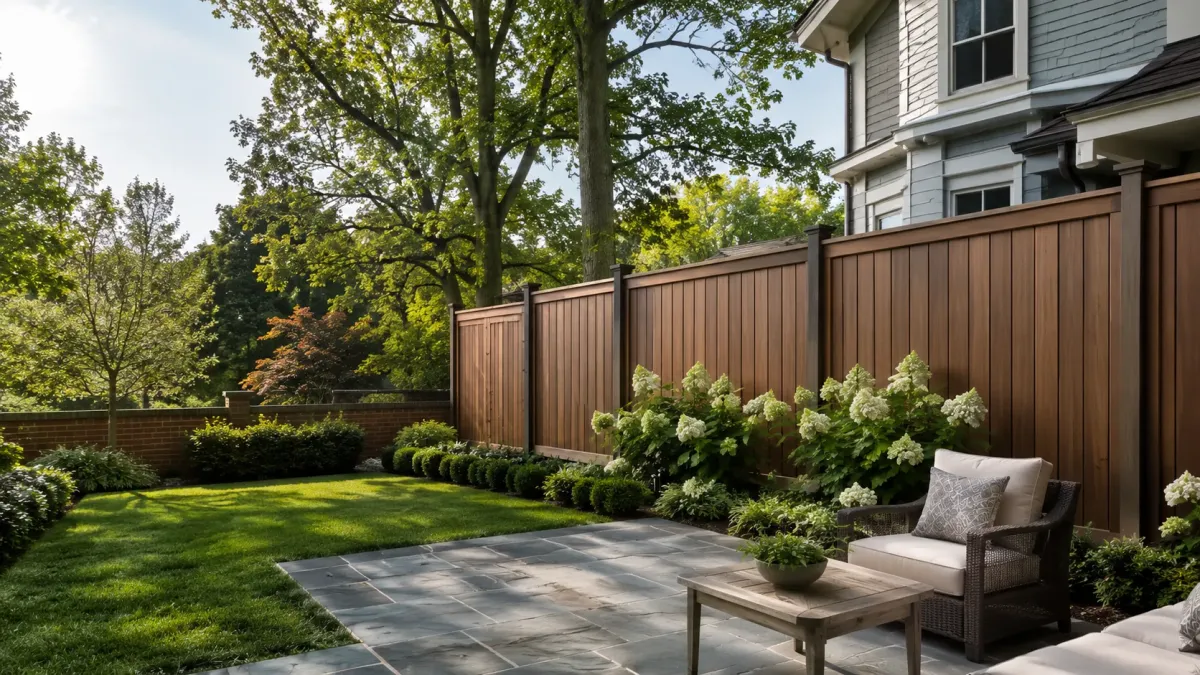
A privacy fence settles height, material and boundary position before the first post.
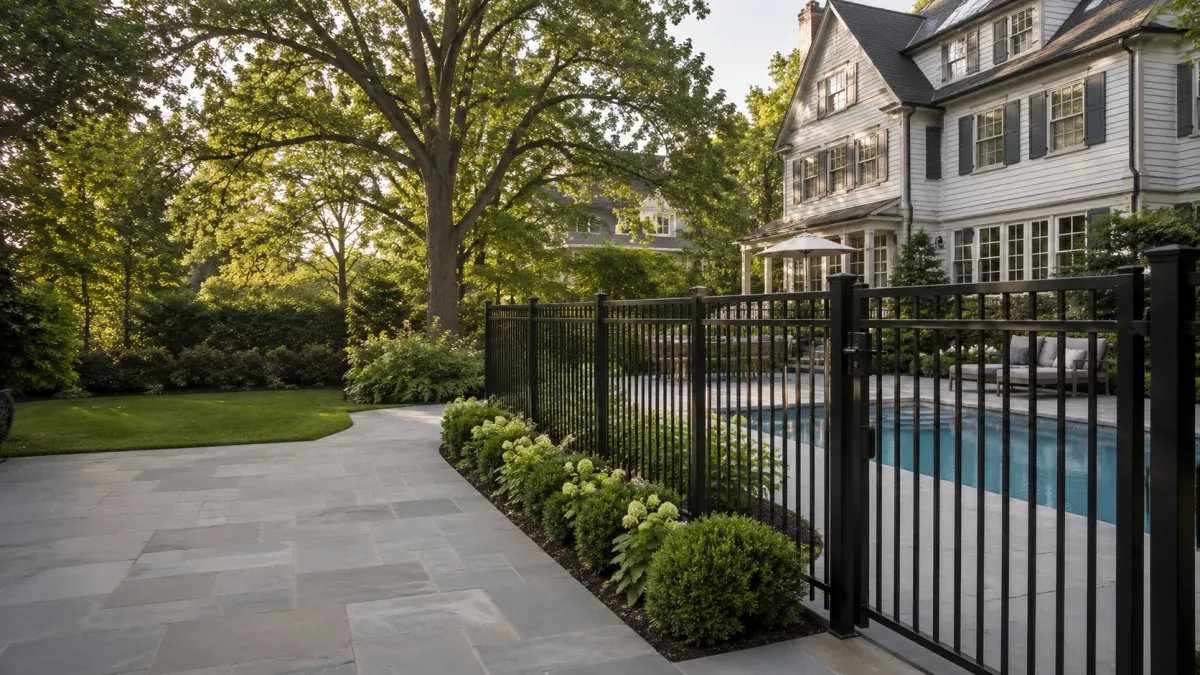
A pool enclosure must satisfy barrier code and gate hardware rules, not appearance.
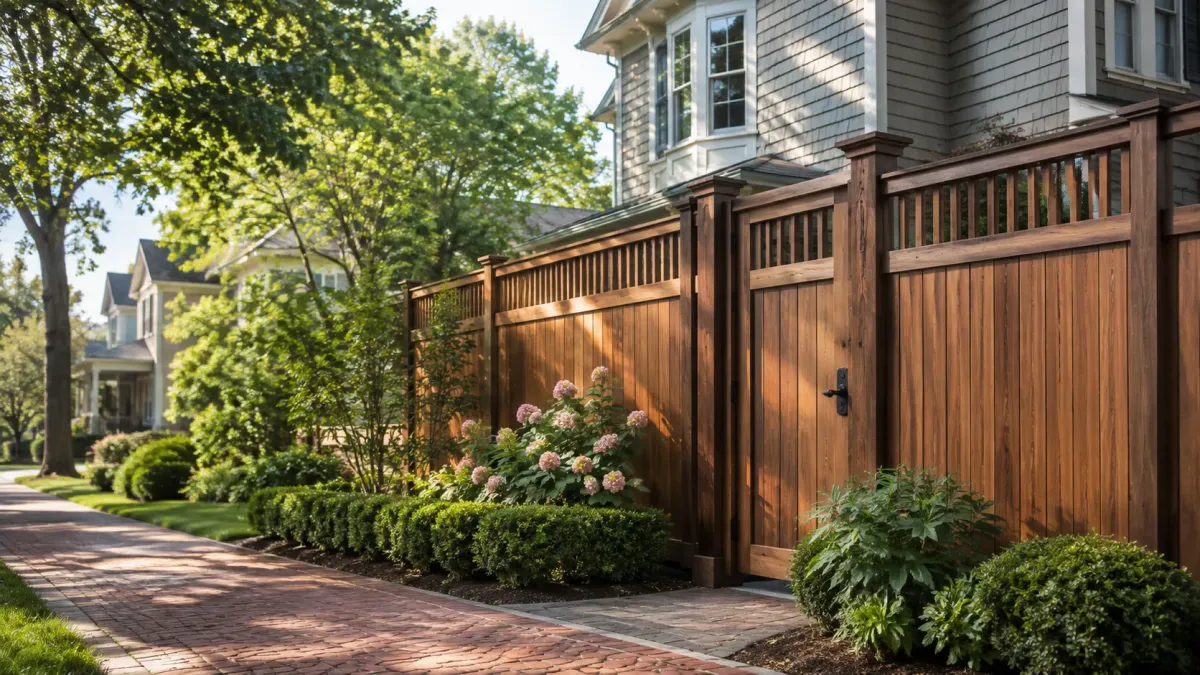
Wood fence cost and lifespan follow the species, the post footing and the exposure.
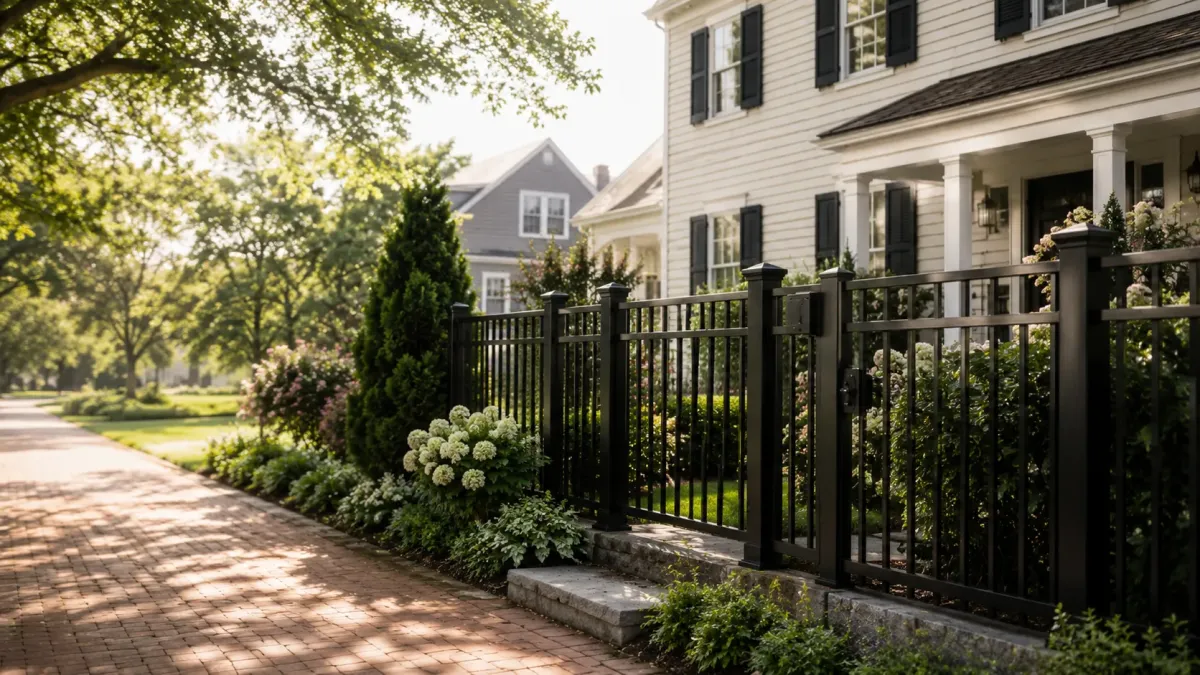
Ornamental aluminum gives an open front-yard fence that satisfies district review and needs no refinishing.
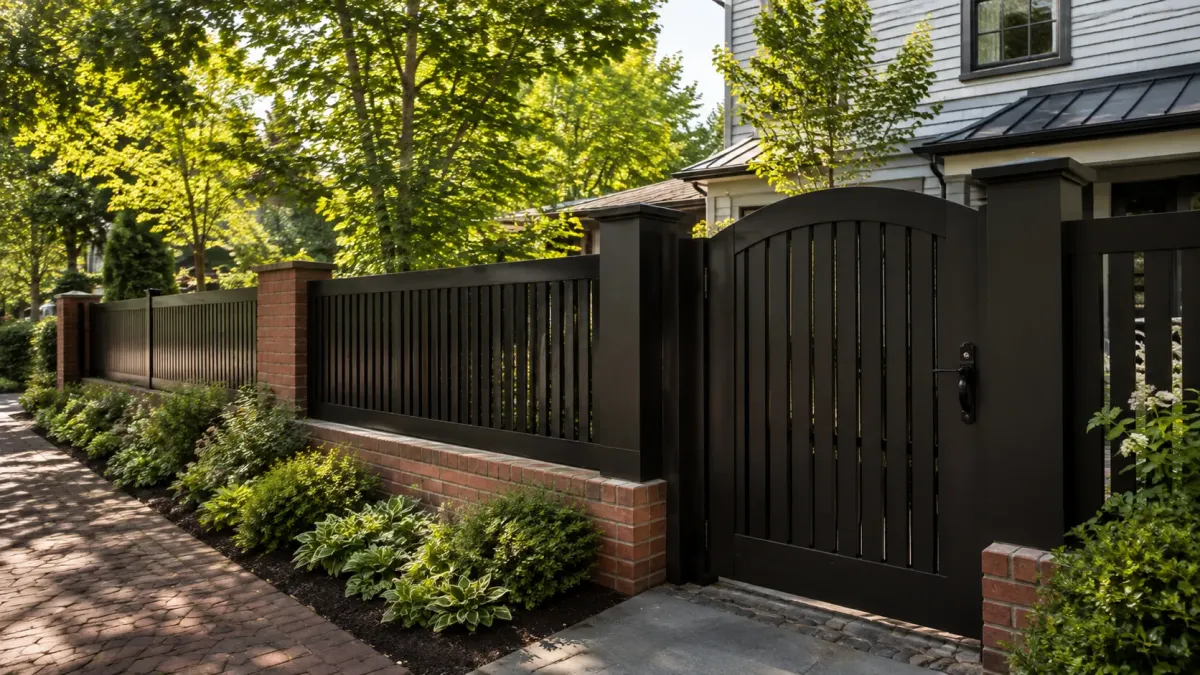
A gate is the moving part, so it fails first without proper posts.
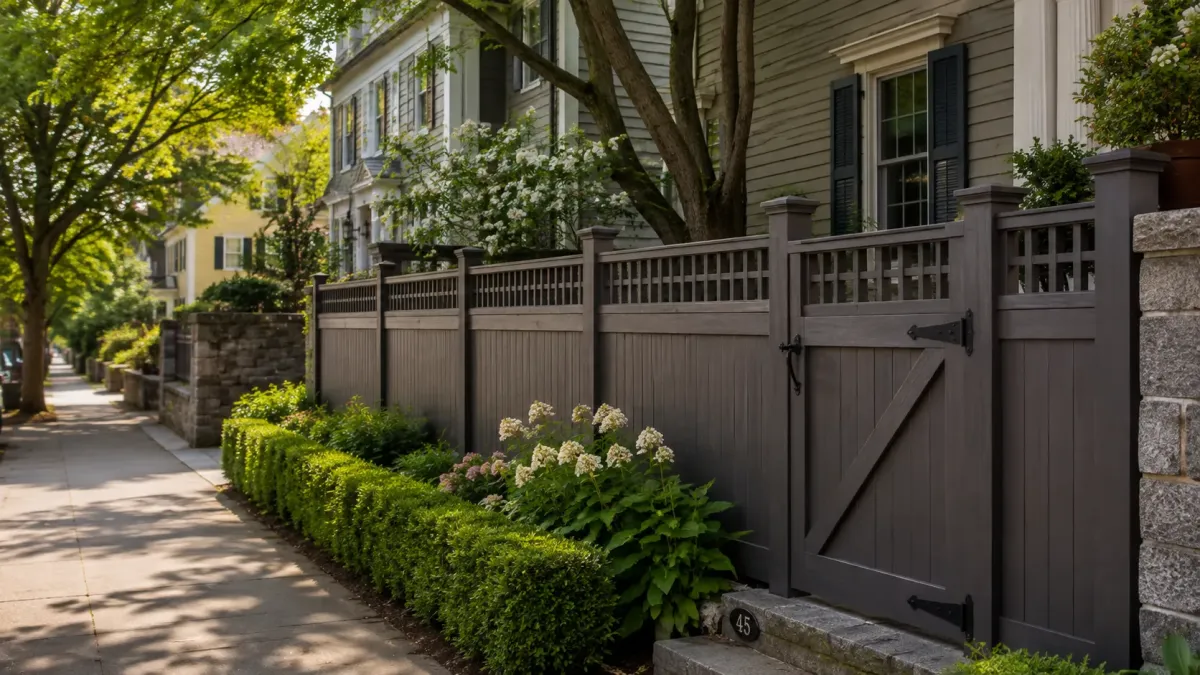
Most fence failures start at the footing, so repair begins by diagnosing the post.
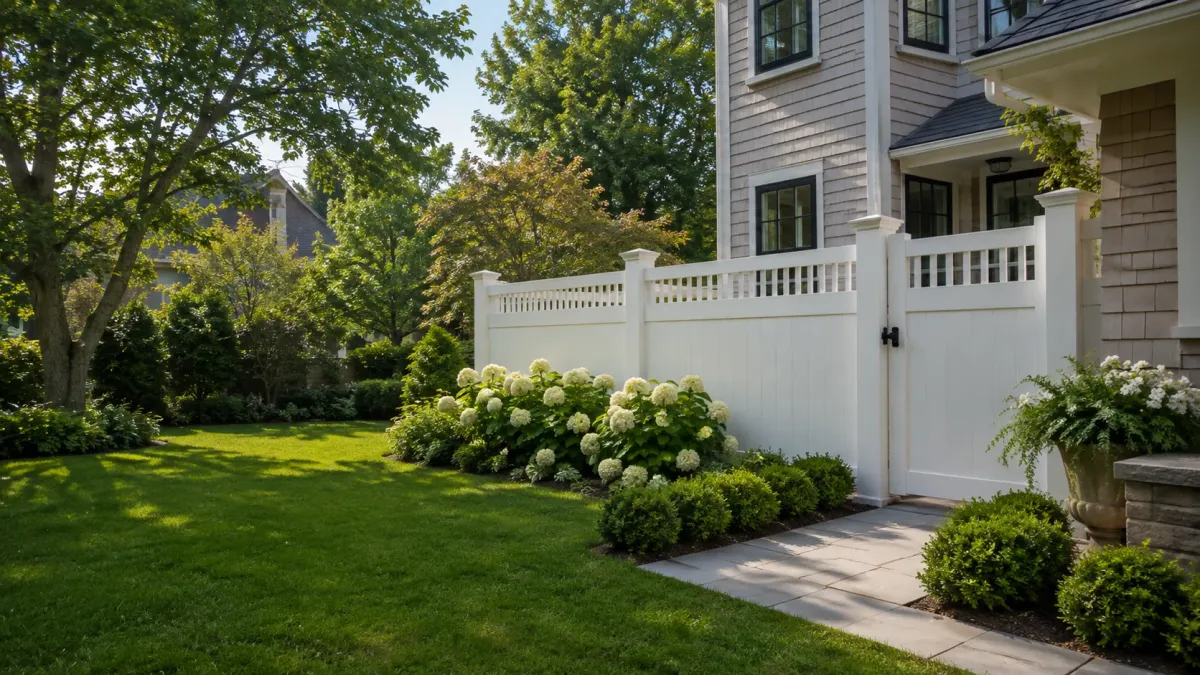
Vinyl trades a higher upfront cost for a fence that never needs painting or sealing.
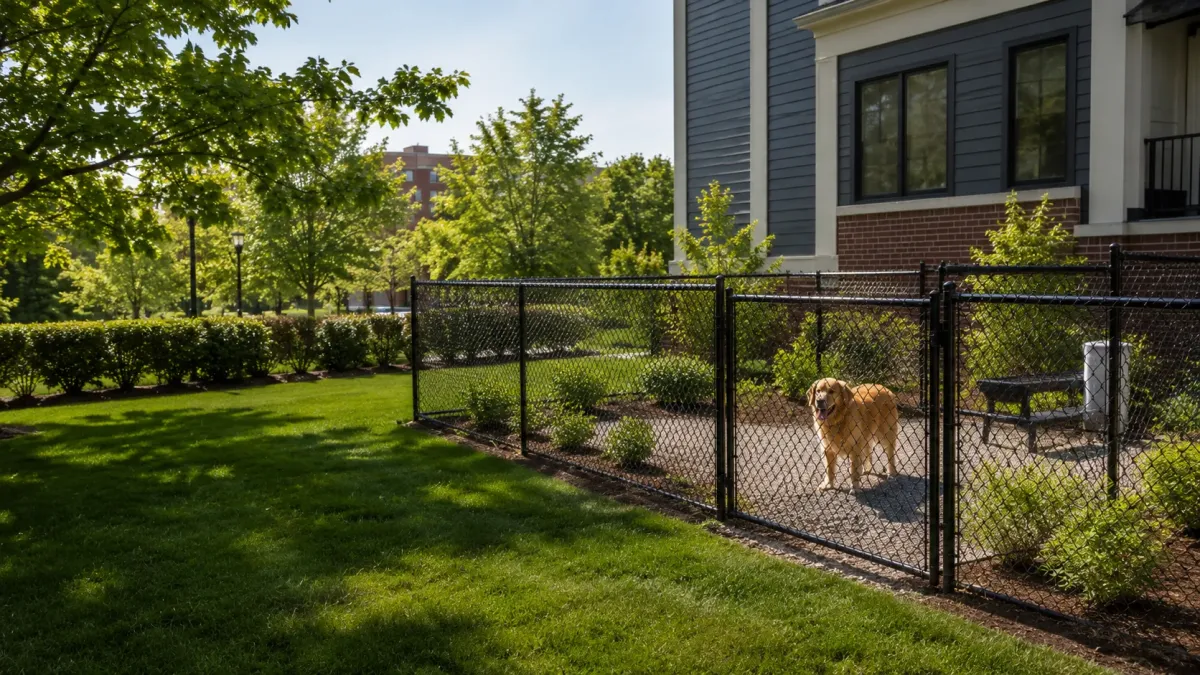
Chain link encloses the most ground for the least money and lasts decades.
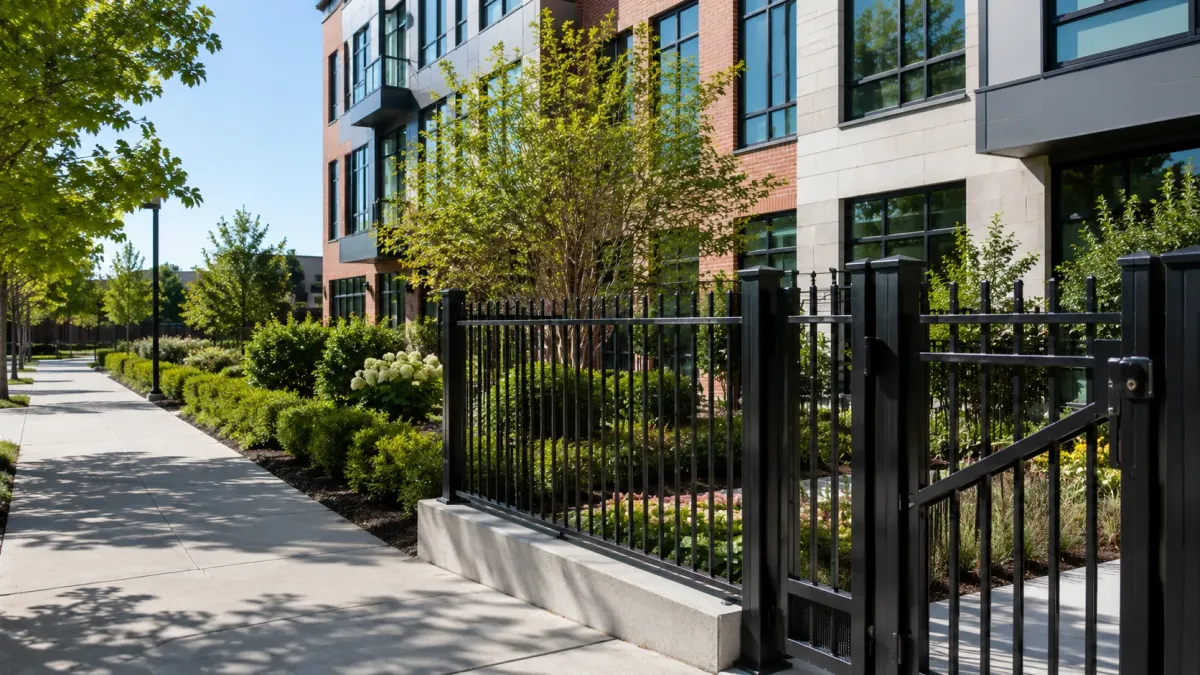
Commercial work is specified around access control, screening obligations and site liability.
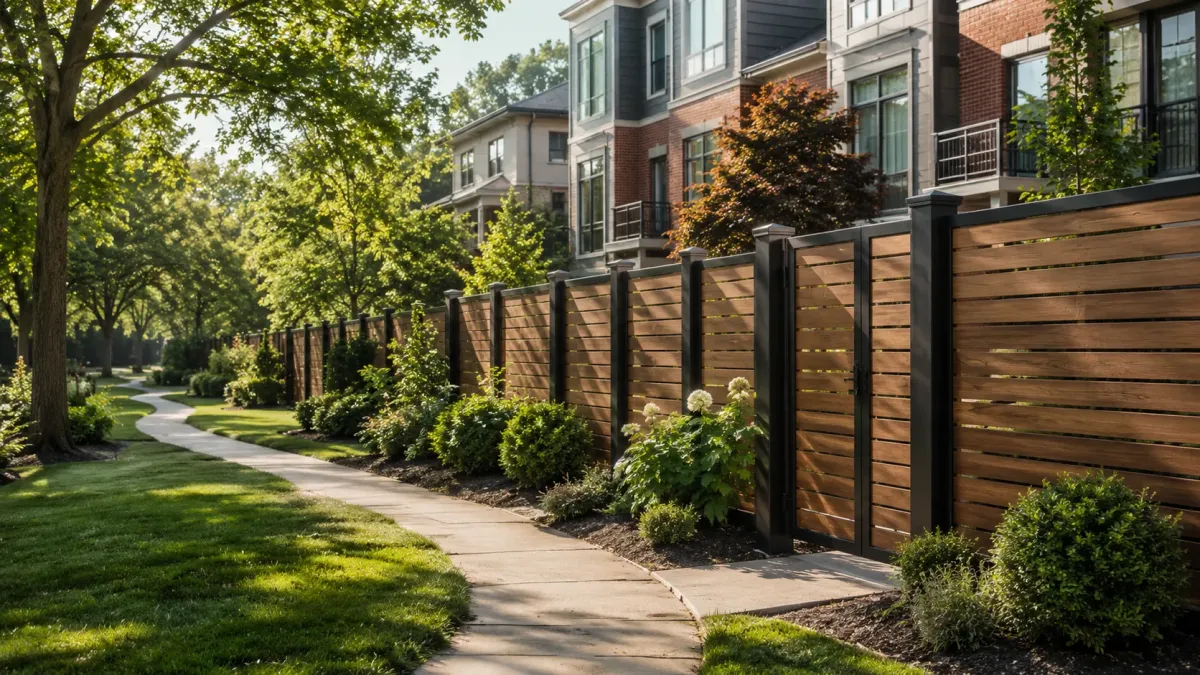
Association fencing needs a written scope a board can approve before any work is booked.
Towns We Serve Around Cambridge
Fence installation and repair, based in Cambridge
Belmont, Somerville, Arlington, Newton and Brookline each set their own fence height limits, review bodies and permit routes. The differences are not cosmetic. They decide whether a job needs commission sign-off first, and how far ahead it has to be scheduled.
Frequently Asked Questions
Fence Installation can be complex, and we’re here to provide answers to common questions. Here are some frequently asked questions from our clients.
Frequently Asked Questions about fence contractors cambridge ma
How much does a fence cost in Cambridge?
There is no single price for a Cambridge fence. Cost follows the material, the length of the run, how much of the old fence has to come out, and whether a truck can reach the line or everything gets carried through a narrow side yard. On tight lots that access question moves the number more than the material choice does. We quote after walking the property.
Do I need a permit for a fence in Cambridge, MA?
That depends on height and on where the property sits. Fences above the threshold set in the state building code are permitted through the Inspectional Services Department. Separately, exterior work visible from a public way inside a Neighborhood Conservation District goes to the Cambridge Historical Commission before a permit is issued. We confirm both for your address before scheduling anything.
What is the maximum fence height without a permit in Massachusetts?
The state building code sets a baseline, and individual cities and towns add stricter limits on top of it. That is why the answer changes between Cambridge and the towns next door, and why front-yard limits are almost always lower than side and rear. We check the current rule for the specific address rather than working from a general figure.
How tall can a fence be in a Massachusetts front yard?
Front-yard fences are held to a lower limit than side and rear yards in every community we work in, and several also require the fence to be partly open rather than solid. Newton caps front-yard fences at four feet and requires them to be at least fifty percent open. We confirm the local figure before anything is designed or ordered.
What is a spite fence in Massachusetts?
Massachusetts treats an unusually tall boundary fence built mainly to annoy a neighbour as a private nuisance, and the neighbour can act on it. In practice it comes up when a fence runs higher than six feet along a shared line. Having the line surveyed and the abutter informed before installation is what keeps a project well clear of that argument.
How much does it cost to install a fence?
Installation labour is driven by what is underground and how the crew reaches the line. Old footings, buried utilities, ledge and mature roots all slow post setting, and a yard reachable only through a gap between two houses takes longer than one a truck can back into. Removing and disposing of an existing fence is a separate line. We price all of it after a walkthrough rather than from a phone description.
Frequently Asked Questions about Vinyl Fence Installation
Does vinyl fencing crack in New England winters?
Modern vinyl formulated for fencing handles the temperature range here without becoming brittle. What does cause damage is impact when the material is very cold, so a snowblower or a plough throwing ice at a panel is a realistic risk on a driveway line. Individual panels can be replaced, which limits what that costs.
Is vinyl or wood better value?
Wood is cheaper to install, vinyl is cheaper to own. Over a long hold, vinyl usually comes out ahead because there is no staining, sealing or board replacement. Over a short hold, or on a run that would need matching to an existing wood fence, wood generally makes more sense. We will give you the comparison for your specific run rather than a general rule.
Can a vinyl fence be painted a different colour?
Not successfully. Vinyl is coloured through the material and paint does not bond to it reliably, so it peels within a few seasons. Colour is therefore a decision made at ordering, from the manufacturer's range. That is a genuine limitation compared with wood and it is worth weighing before you commit.
How do you clean a vinyl fence?
A hose handles most of it, and mild detergent with a soft brush deals with the green film that builds on shaded north-facing runs. Pressure washing works but should be kept at moderate pressure and off the seams. That is the extent of the maintenance, which is the reason people choose it.
Plan Your Cambridge Vinyl Fence
What Our Satisfied Clients Have to Say About Cambridge Fence Installation
We pride ourselves on delivering great results and experiences for each client. Hear directly from home and business owners who’ve trusted us with their Fence Installation needs.
The Trusted Fence Installation Expert Near You
Ready to hear more about expert services at Cambridge Fence Installation?
Contact us today to receive a detailed, no-obligation quote.

Serving East Cambridge, Cambridgeport, Mid-Cambridge, Riverside, West Cambridge, North Cambridge, Strawberry Hill & Greater Cambridge
Mon–Fri 8AM–6PM | Sat 9AM–4PM | Sun 10AM–2PM


