Condo and Association Fencing in Cambridge, MA
Shared Boundaries, Trustee Approval and Common Areas
Cambridge is a city of converted two- and three-family houses, which means a large share of its fence lines run between condominium units rather than between separate owners. That changes the job before anyone measures anything. The first question is whether the fence sits on common area or on limited common area assigned to a particular unit, because that determines who authorises the work and who pays for it. Getting it wrong produces an invoice nobody will approve and a fence that becomes a dispute. The second question is the approval path. A trustee or board generally cannot authorise work from a verbal figure. They need a written scope, a drawing showing the line, and a price they can circulate to owners and vote on, sometimes across more than one meeting. Work booked before that exists tends to get cancelled. So we build the documentation first and treat the site walk as the start of an approval process rather than the day before installation. The third question is the abutter, and in a condominium the abutter is often another unit in the same building. Massachusetts boundary law applies between neighbours regardless of whether they share a roof.
Practically, association work means coordinating access across several households. Staging materials in a shared driveway, working around resident parking, and reaching a rear yard that can only be entered through one unit all have to be arranged in advance rather than negotiated on the morning. We agree a schedule with the trustee or manager, give notice to affected owners, and keep the work sequenced so shared access is not blocked for longer than necessary. The completed scope and any permit documentation goes back to the association for its records.
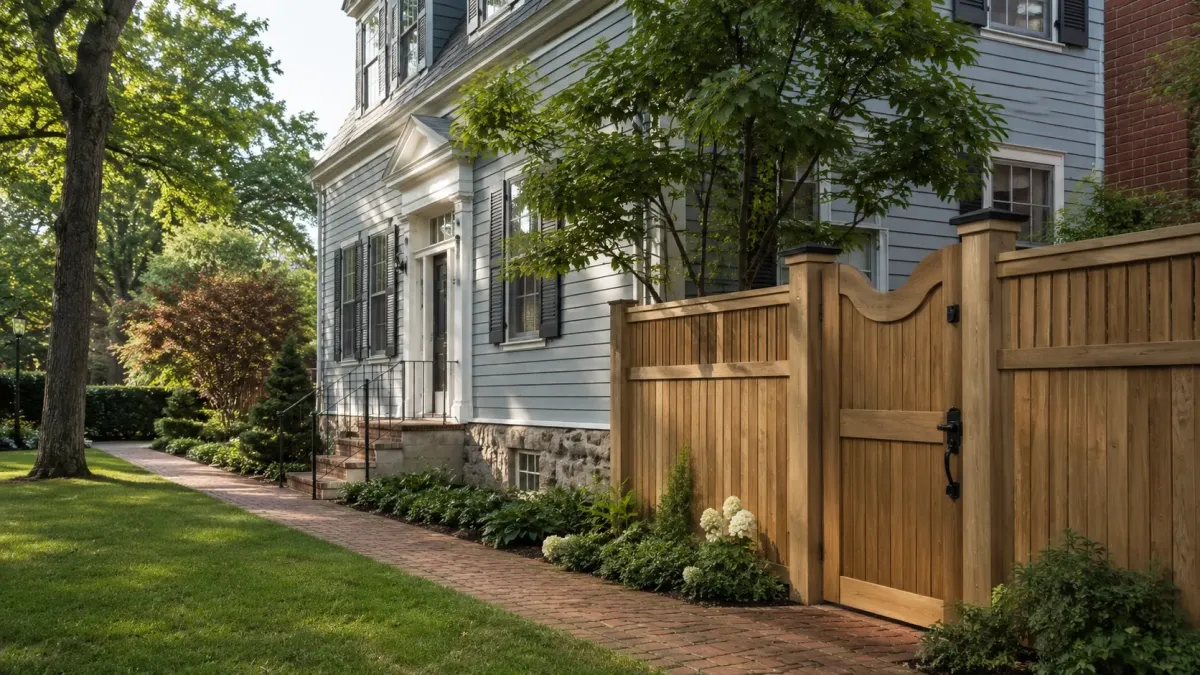
What's Included in our Condo and HOA Association Fencing service?
Trustee-Ready Written Scopes
Documented scope and drawing a board can circulate, review and vote on.
Common Area and Shared Boundary Work
Establishes what is common area and what belongs to an individual unit.
Unit Owner Coordination
Coordinates access, staging and timing across multiple owners and tenants.
Proudly serving Cambridge, Belmont, Somerville, Arlington, Newton and Brookline for 11+ years.
Comprehensive Fence Installation Services in Cambridge
Tailored to Your Needs
Ten services, from privacy and pool fencing through to repair, gates and association work. Most Cambridge projects touch more than one. A privacy run usually needs a gate, and a repair often turns up posts set in something that will not hold another panel.
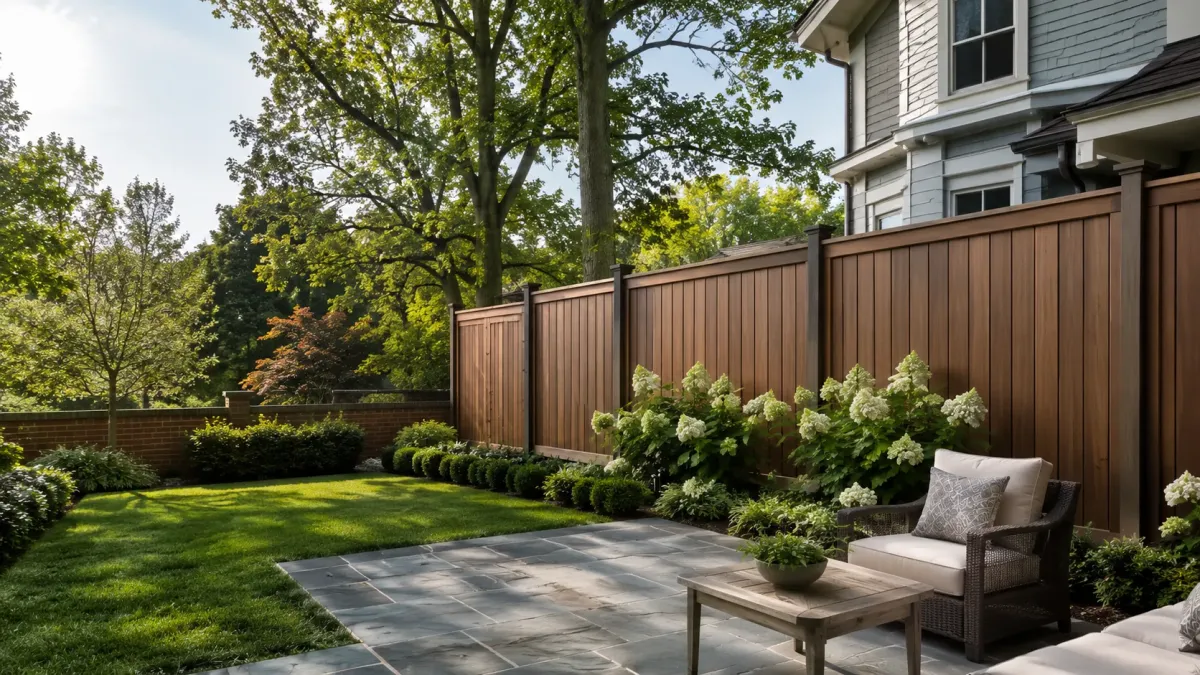
A privacy fence settles height, material and boundary position before the first post.
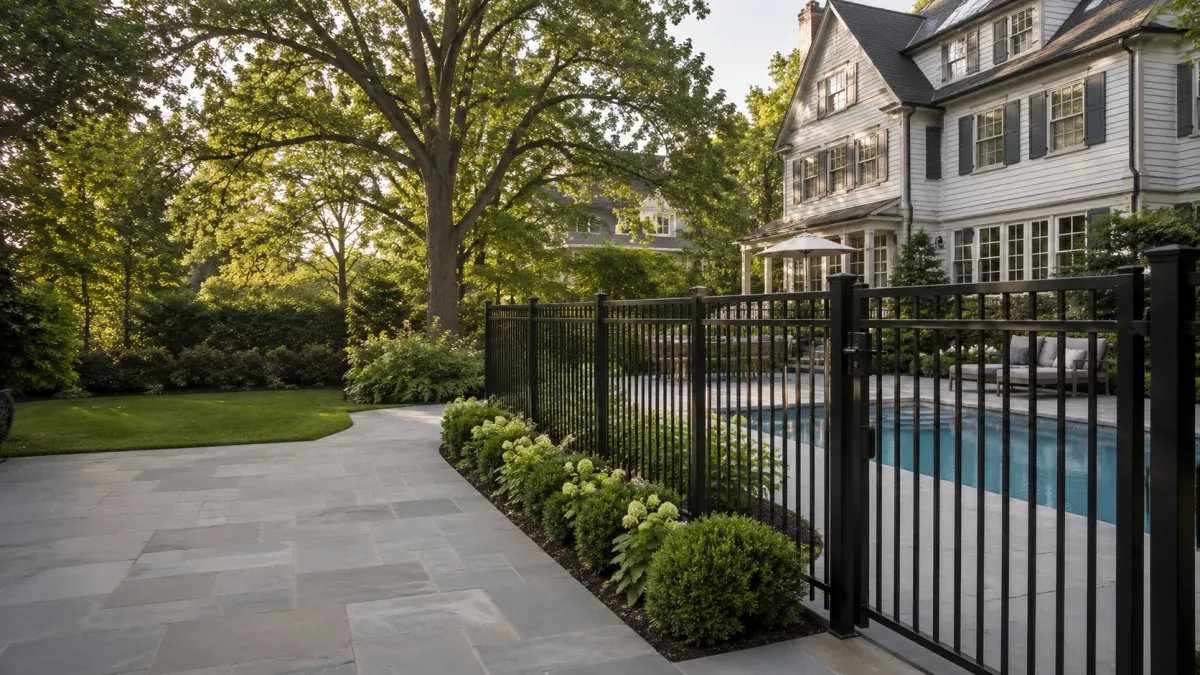
A pool enclosure must satisfy barrier code and gate hardware rules, not appearance.
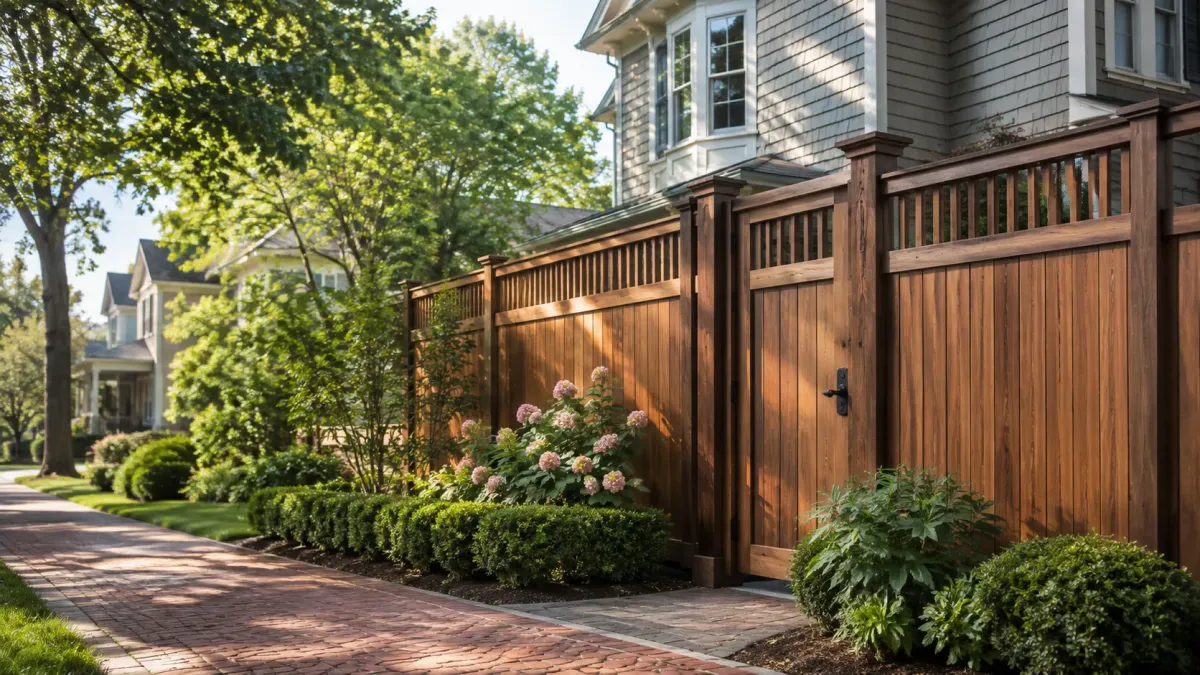
Wood fence cost and lifespan follow the species, the post footing and the exposure.
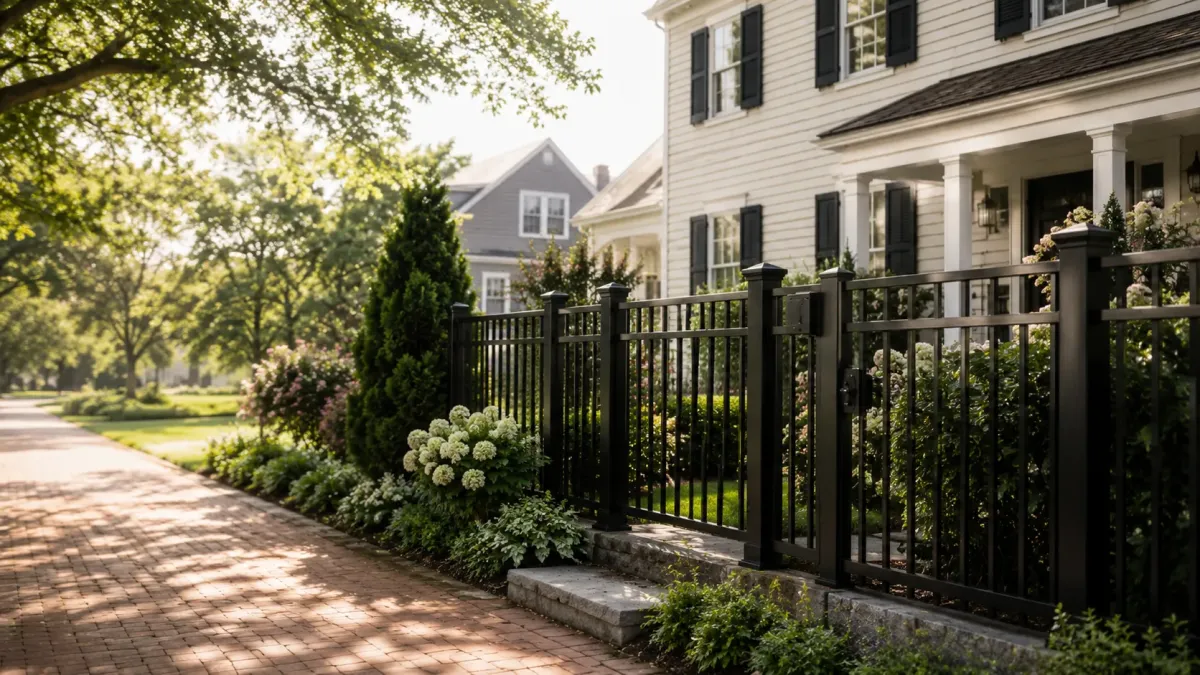
Ornamental aluminum gives an open front-yard fence that satisfies district review and needs no refinishing.
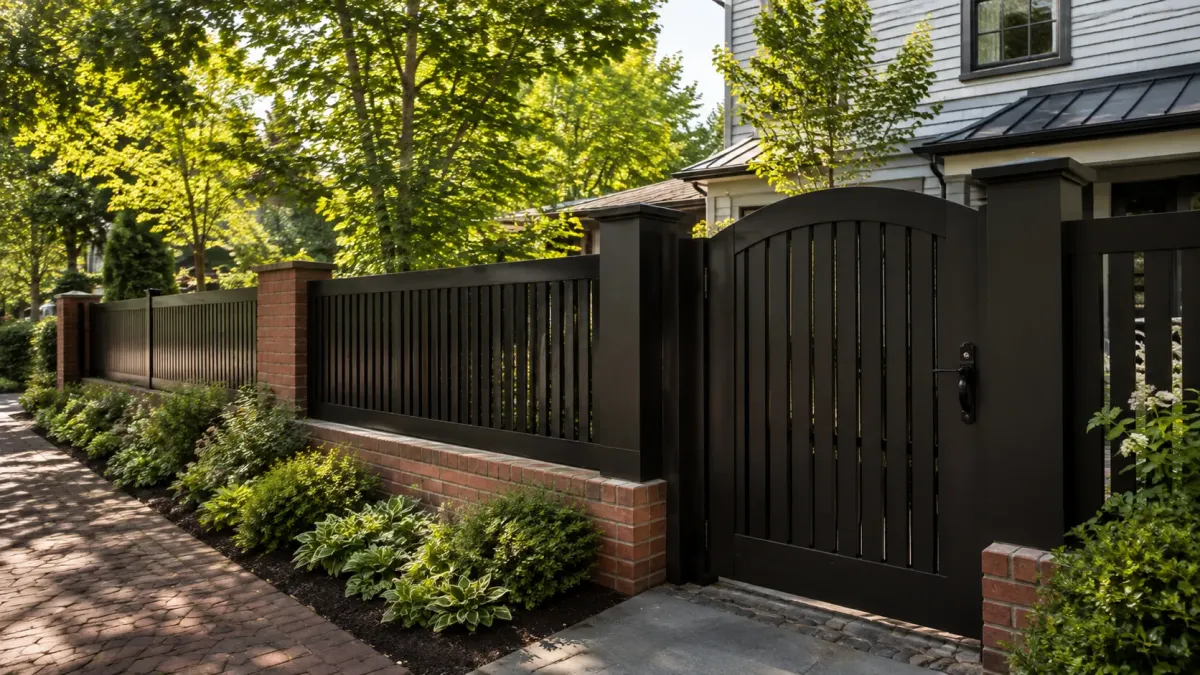
A gate is the moving part, so it fails first without proper posts.
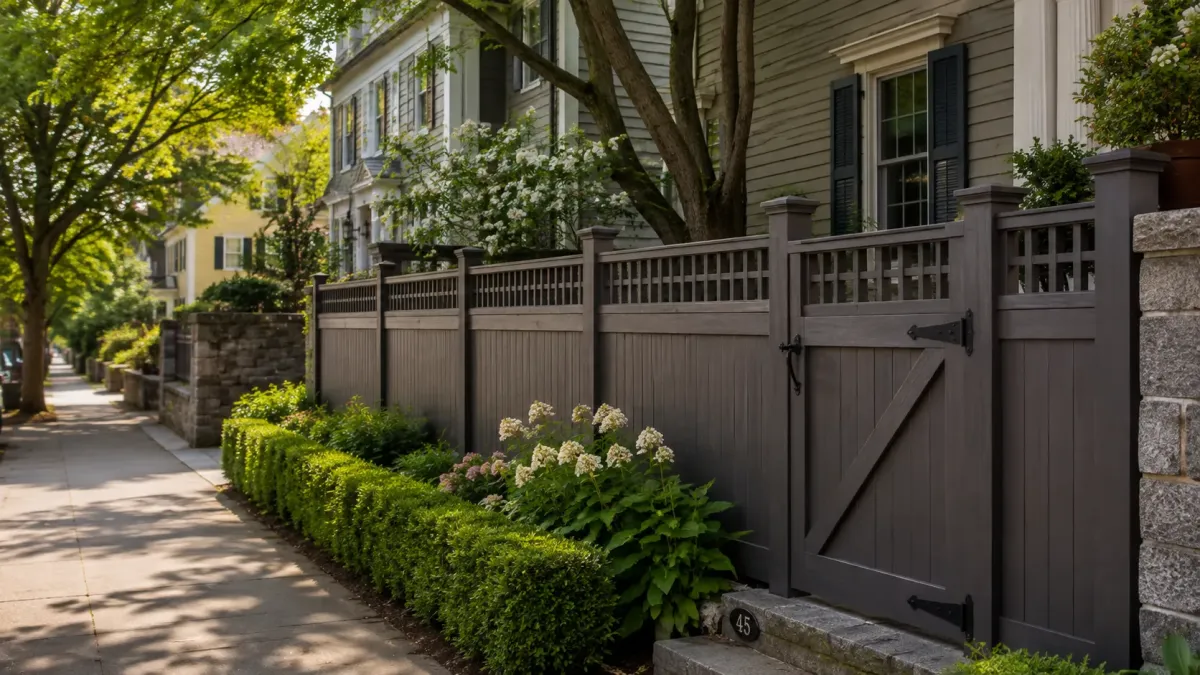
Most fence failures start at the footing, so repair begins by diagnosing the post.
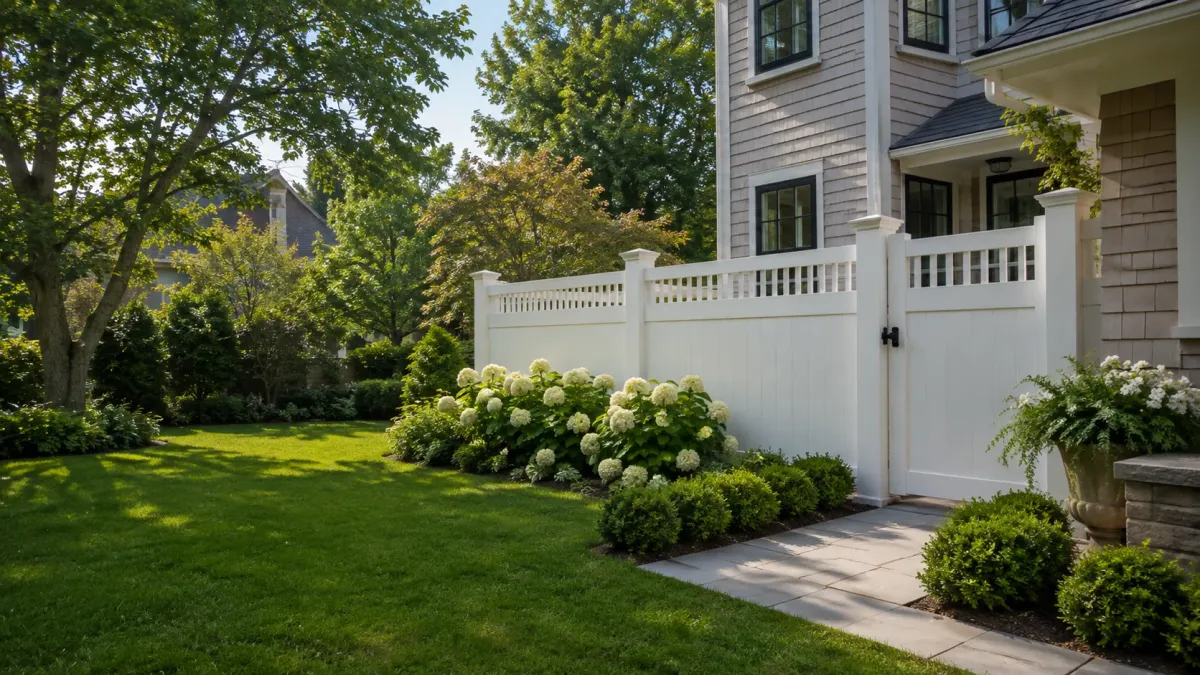
Vinyl trades a higher upfront cost for a fence that never needs painting or sealing.
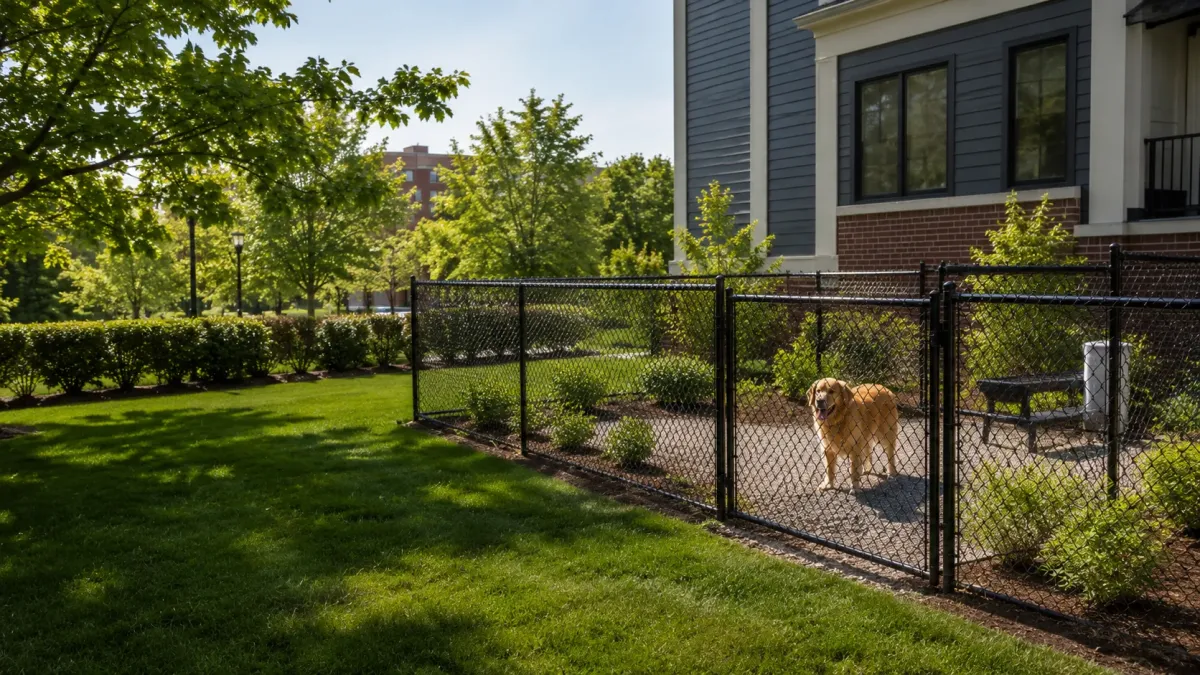
Chain link encloses the most ground for the least money and lasts decades.
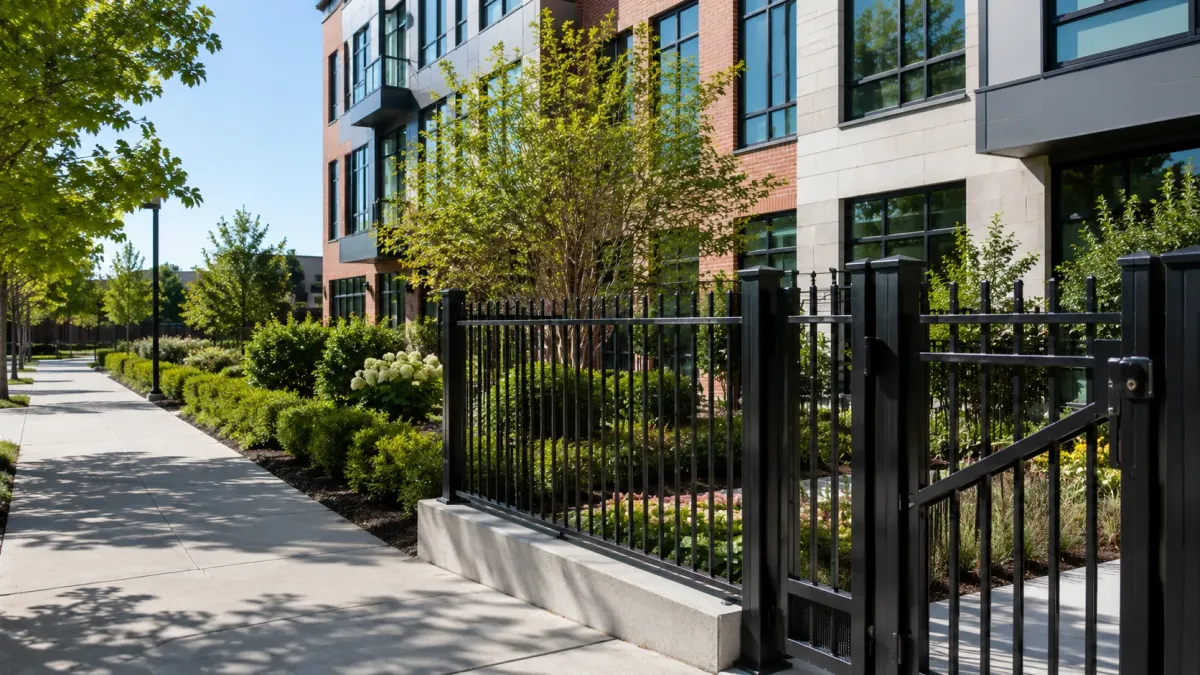
Commercial work is specified around access control, screening obligations and site liability.
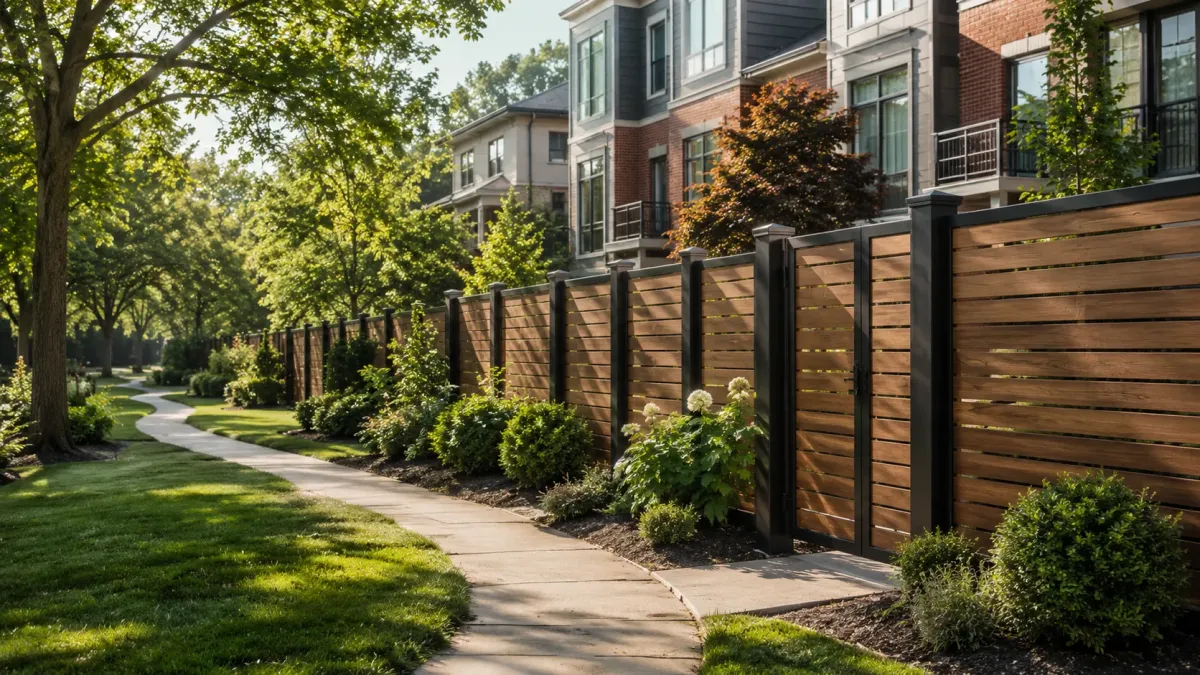
Association fencing needs a written scope a board can approve before any work is booked.
Towns We Serve Around Cambridge
Fence installation and repair, based in Cambridge
Belmont, Somerville, Arlington, Newton and Brookline each set their own fence height limits, review bodies and permit routes. The differences are not cosmetic. They decide whether a job needs commission sign-off first, and how far ahead it has to be scheduled.
Frequently Asked Questions
Fence Installation can be complex, and we’re here to provide answers to common questions. Here are some frequently asked questions from our clients.
Frequently Asked Questions about fence contractors cambridge ma
How much does a fence cost in Cambridge?
There is no single price for a Cambridge fence. Cost follows the material, the length of the run, how much of the old fence has to come out, and whether a truck can reach the line or everything gets carried through a narrow side yard. On tight lots that access question moves the number more than the material choice does. We quote after walking the property.
Do I need a permit for a fence in Cambridge, MA?
That depends on height and on where the property sits. Fences above the threshold set in the state building code are permitted through the Inspectional Services Department. Separately, exterior work visible from a public way inside a Neighborhood Conservation District goes to the Cambridge Historical Commission before a permit is issued. We confirm both for your address before scheduling anything.
What is the maximum fence height without a permit in Massachusetts?
The state building code sets a baseline, and individual cities and towns add stricter limits on top of it. That is why the answer changes between Cambridge and the towns next door, and why front-yard limits are almost always lower than side and rear. We check the current rule for the specific address rather than working from a general figure.
How tall can a fence be in a Massachusetts front yard?
Front-yard fences are held to a lower limit than side and rear yards in every community we work in, and several also require the fence to be partly open rather than solid. Newton caps front-yard fences at four feet and requires them to be at least fifty percent open. We confirm the local figure before anything is designed or ordered.
What is a spite fence in Massachusetts?
Massachusetts treats an unusually tall boundary fence built mainly to annoy a neighbour as a private nuisance, and the neighbour can act on it. In practice it comes up when a fence runs higher than six feet along a shared line. Having the line surveyed and the abutter informed before installation is what keeps a project well clear of that argument.
How much does it cost to install a fence?
Installation labour is driven by what is underground and how the crew reaches the line. Old footings, buried utilities, ledge and mature roots all slow post setting, and a yard reachable only through a gap between two houses takes longer than one a truck can back into. Removing and disposing of an existing fence is a separate line. We price all of it after a walkthrough rather than from a phone description.
Frequently Asked Questions about Condo and HOA Association Fencing
Who approves a fence in a condominium, the owner or the trustees?
It depends on whether the fence line sits on common area, on limited common area assigned to a unit, or entirely within a unit's exclusive-use space, and the condominium documents govern that. In most Cambridge conversions a boundary fence touches common area at some point, which brings the trustees in. We recommend confirming it against the documents before pricing so the approval path is known.
Can you provide documentation for a board vote?
Yes, and it is how most association work should start. We provide a written scope, a drawing of the proposed line, and an itemised price in a form a board can circulate. If the board asks for alternatives at different price points, we would rather quote those up front than have the project stall between meetings.
What if one unit owner objects to the fence?
Then it is an association decision and not a construction question, and we will wait for it to be resolved rather than installing into a dispute. What we can do is provide the survey position of the line and a clear drawing, since objections often turn out to be about where people believe the boundary runs rather than about the fence itself.
Do you handle permits for association property?
We file the fence permit and, where the property sits in a conservation or historic district, prepare the commission submission. What stays with the association is the internal authorisation and any requirement in its own documents. We set out clearly which items we are handling so nothing is assumed on either side.
Plan Your Cambridge Association Fence
What Our Satisfied Clients Have to Say About Cambridge Fence Installation
We pride ourselves on delivering great results and experiences for each client. Hear directly from home and business owners who’ve trusted us with their Fence Installation needs.
The Trusted Fence Installation Expert Near You
Ready to hear more about expert services at Cambridge Fence Installation?
Contact us today to receive a detailed, no-obligation quote.

Serving East Cambridge, Cambridgeport, Mid-Cambridge, Riverside, West Cambridge, North Cambridge, Strawberry Hill & Greater Cambridge
Mon–Fri 8AM–6PM | Sat 9AM–4PM | Sun 10AM–2PM


