Chain Link Fence Installation in Cambridge, MA
Galvanised, Vinyl-Coated and Privacy Slat Options
Chain link is the least fashionable fence and frequently the most sensible one. It encloses more ground per dollar than anything else, it does not rot, and a galvanised system installed properly outlasts most of the wood fences put up around it. On a Cambridge side yard, a dog run, or a rear boundary that nobody looks at, spending three times as much on cedar buys appearance and nothing else. The version most people picture is bare galvanised, which is what gives the material its reputation. Black vinyl-coated mesh is a different proposition visually. Against brick, planting or a hedge line it largely disappears, because the eye reads the background rather than the wire, and on a small lot that makes the yard feel larger than a solid fence does. Where screening is genuinely needed, slats woven through the mesh give partial cover, and that route is sometimes the only one available when a solid fence would exceed what the front-yard rules allow or would not clear district review. Installation quality shows in the framework: line posts at correct spacing, terminal posts braced properly, and the mesh stretched with a tensioning bar rather than pulled by hand.
The detail that decides how a chain link fence ages is tension. Mesh that was stretched properly stays taut for decades; mesh that was pulled tight enough to look right on the day sags into waves within a couple of years and cannot be corrected without redoing the run. We stretch against braced terminal posts and finish with either a bottom rail or a tension wire, depending on whether the fence needs to stop a dog digging under it or simply mark a line.
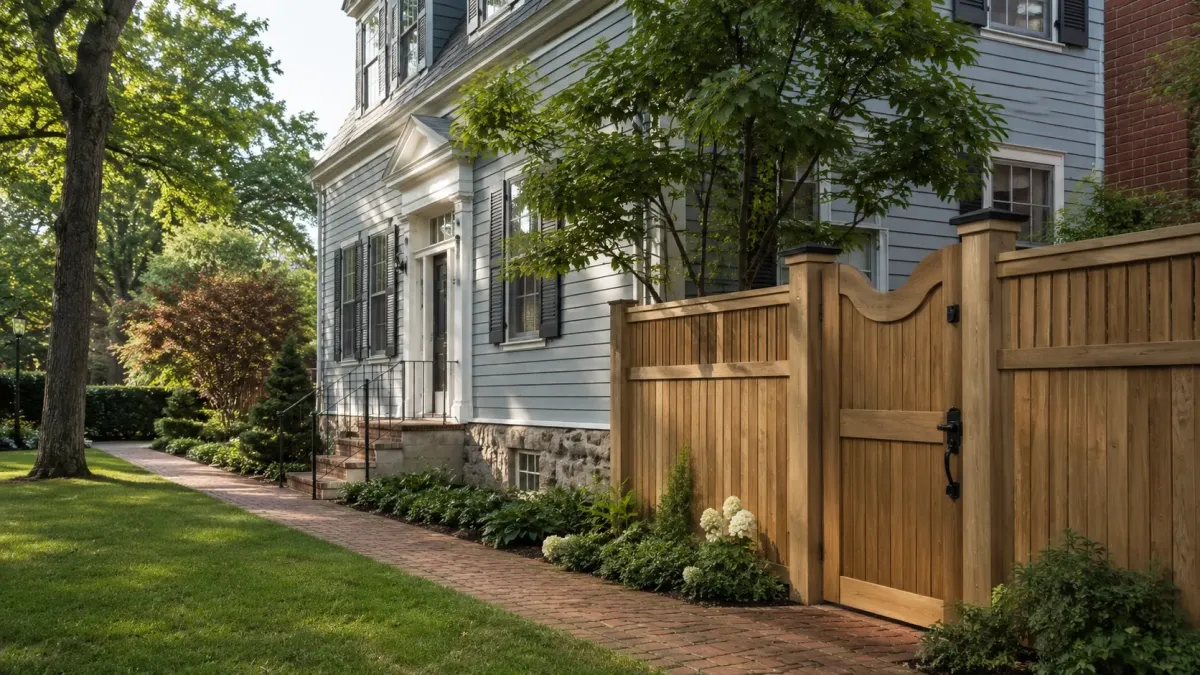
What's Included in our Gate Installation service?
Galvanised and Vinyl-Coated Mesh
Black or green coated mesh that visually recedes against planting and brick.
Dog Runs and Side Yards
Secure enclosures sized for pets, with bottom rail or tension wire.
Privacy Slats and Screening
Inserted slats or mesh screening where a solid fence is not permitted.
Proudly serving Cambridge, Belmont, Somerville, Arlington, Newton and Brookline for 11+ years.
Comprehensive Fence Installation Services in Cambridge
Tailored to Your Needs
Ten services, from privacy and pool fencing through to repair, gates and association work. Most Cambridge projects touch more than one. A privacy run usually needs a gate, and a repair often turns up posts set in something that will not hold another panel.
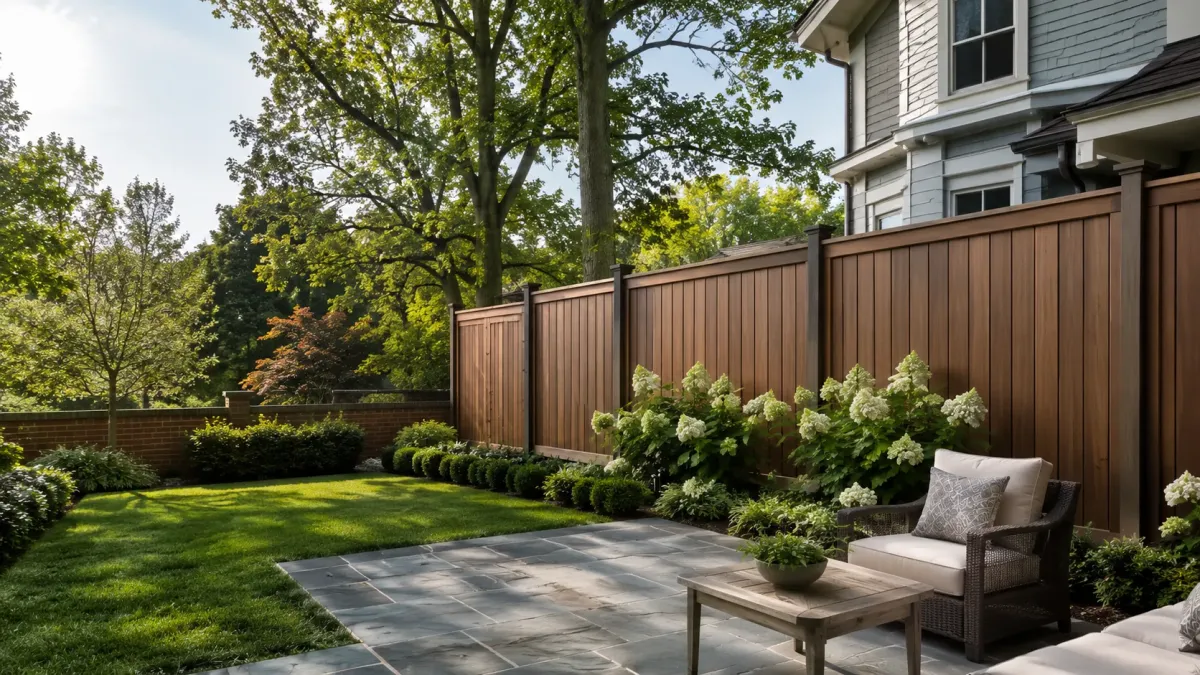
A privacy fence settles height, material and boundary position before the first post.
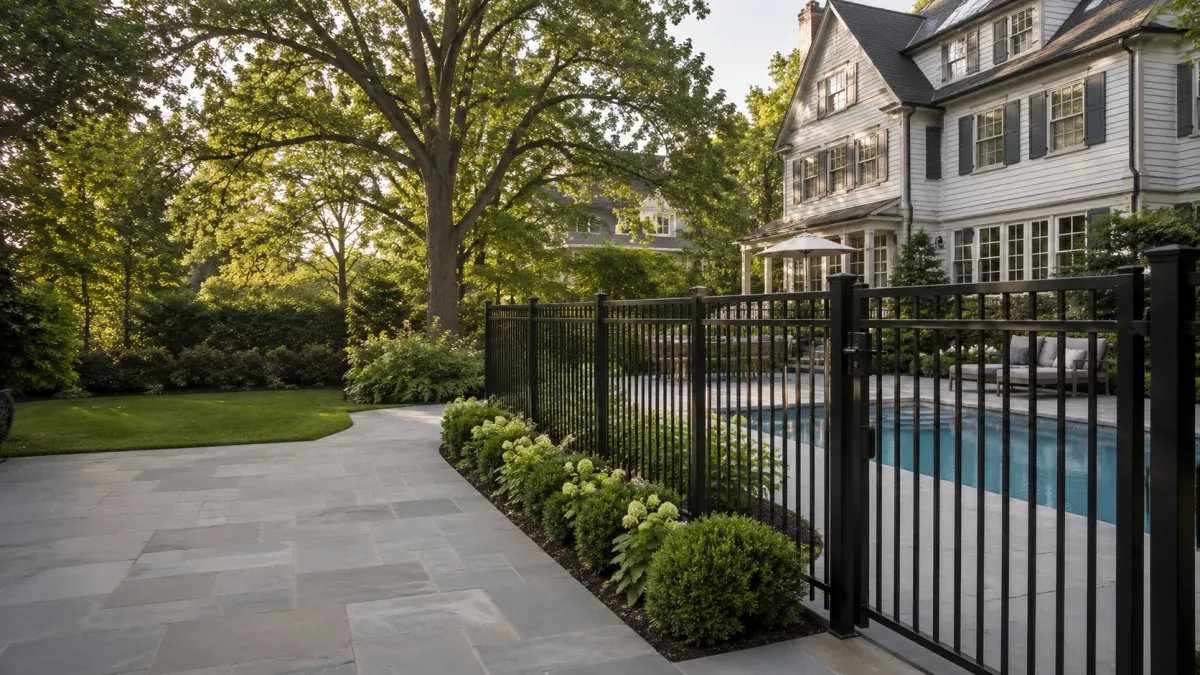
A pool enclosure must satisfy barrier code and gate hardware rules, not appearance.
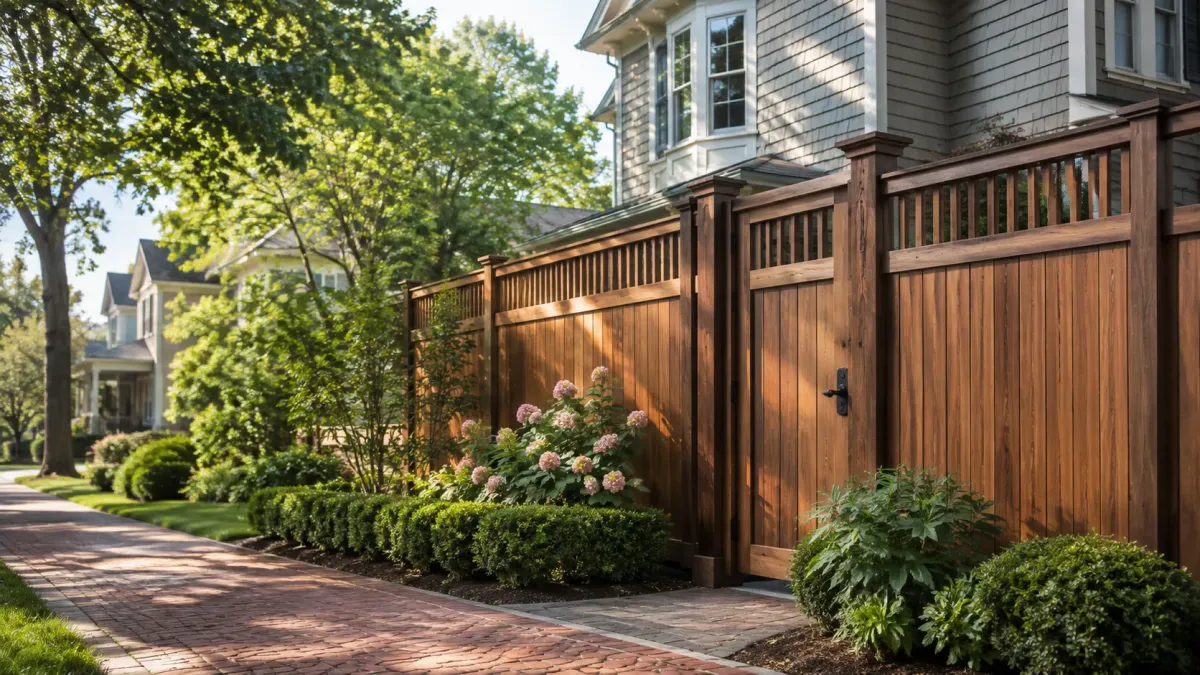
Wood fence cost and lifespan follow the species, the post footing and the exposure.
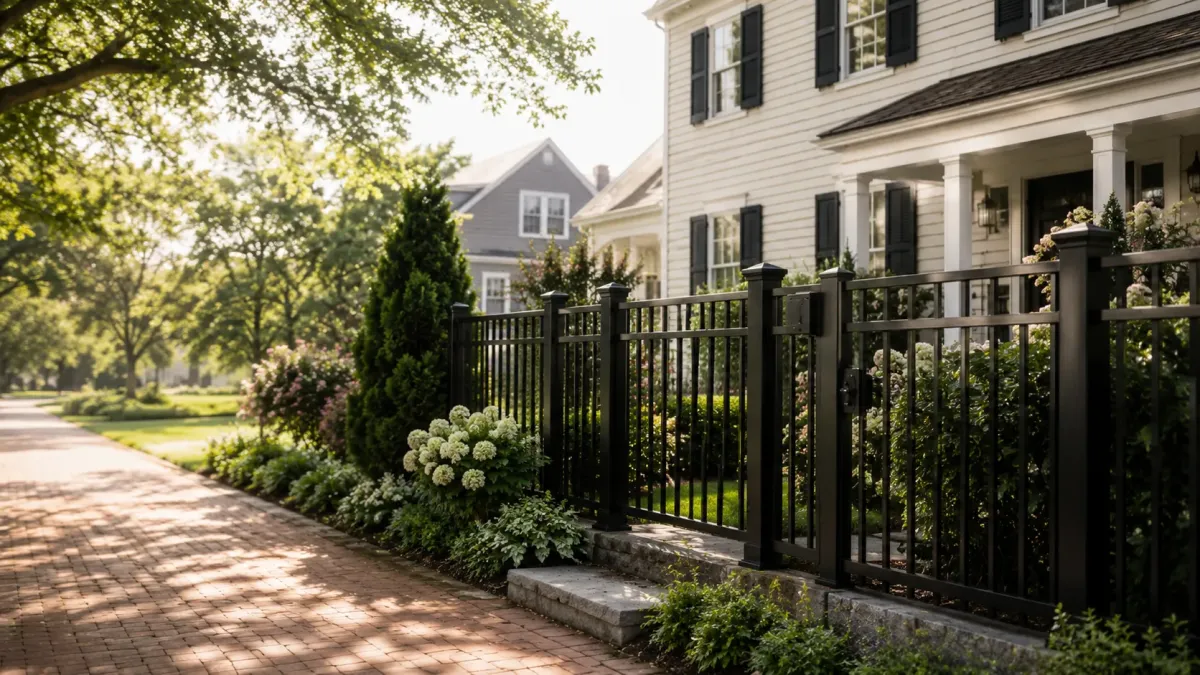
Ornamental aluminum gives an open front-yard fence that satisfies district review and needs no refinishing.
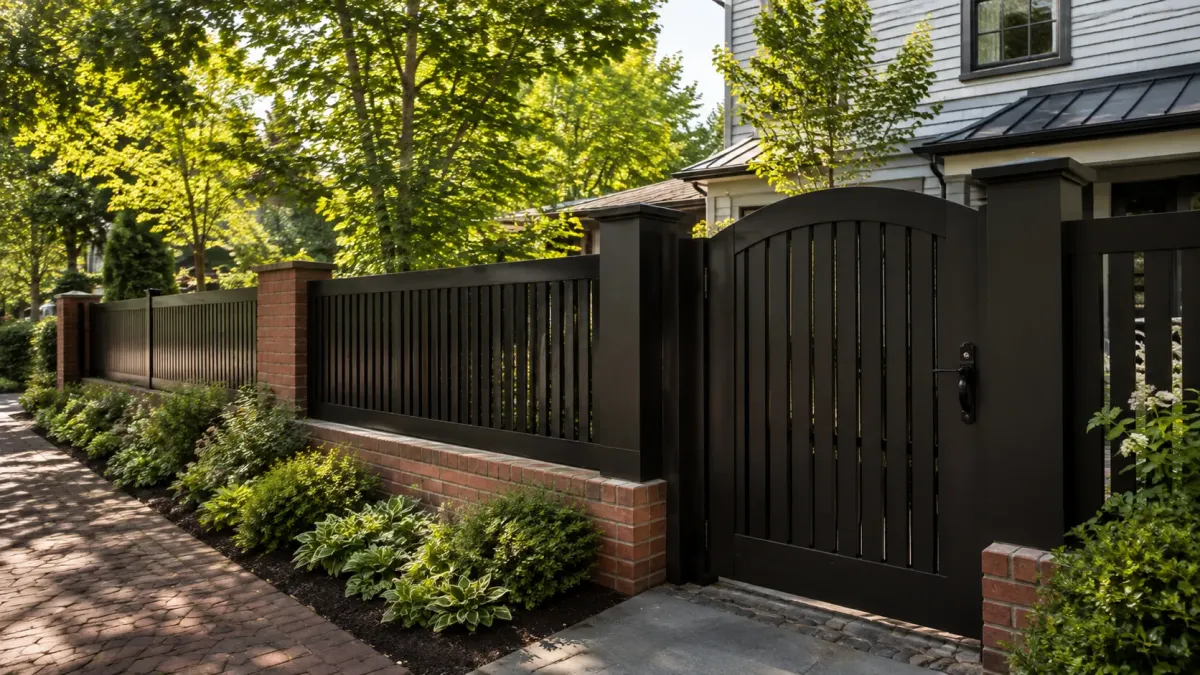
A gate is the moving part, so it fails first without proper posts.
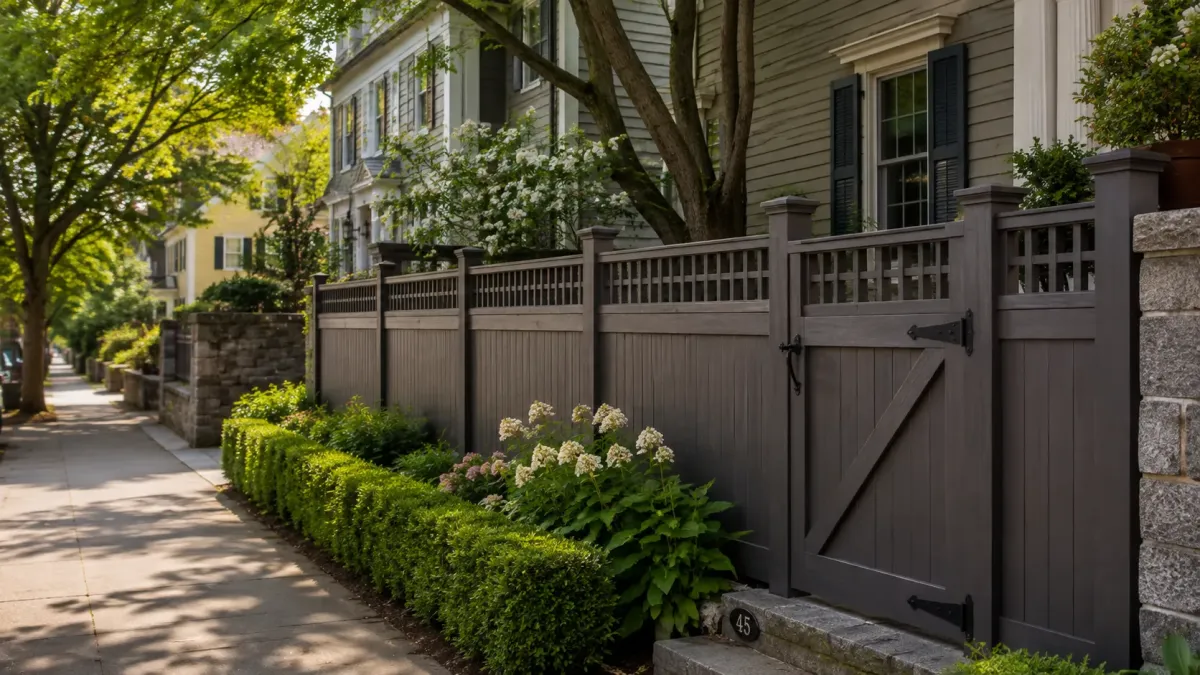
Most fence failures start at the footing, so repair begins by diagnosing the post.
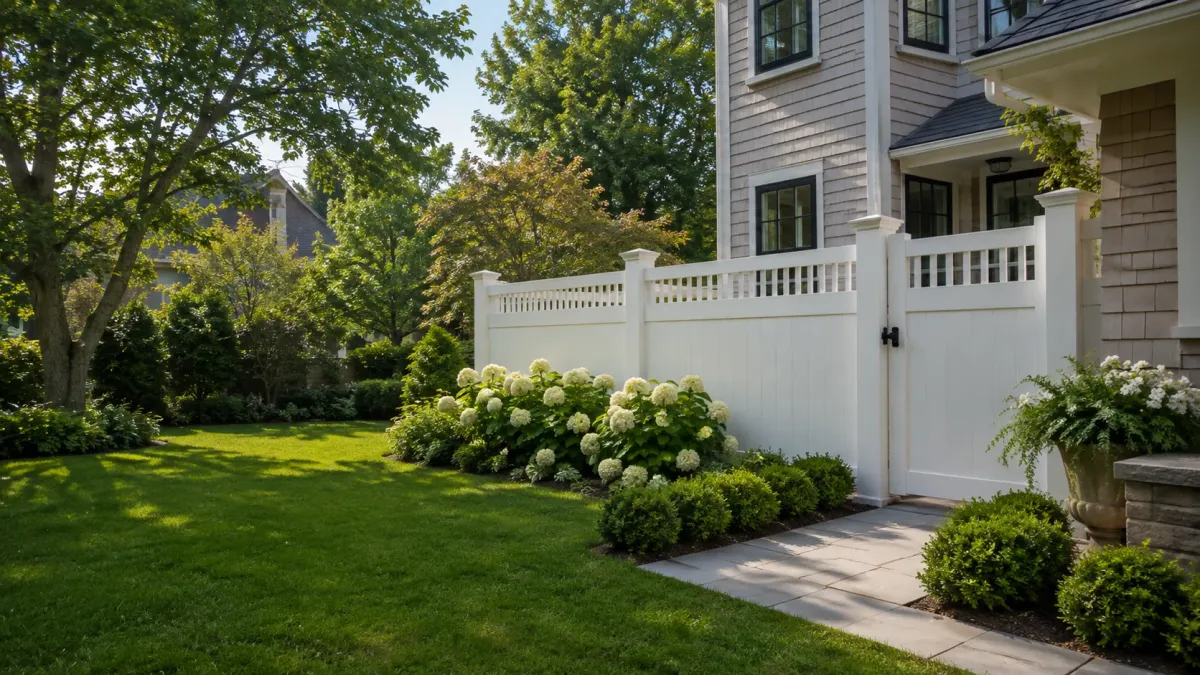
Vinyl trades a higher upfront cost for a fence that never needs painting or sealing.
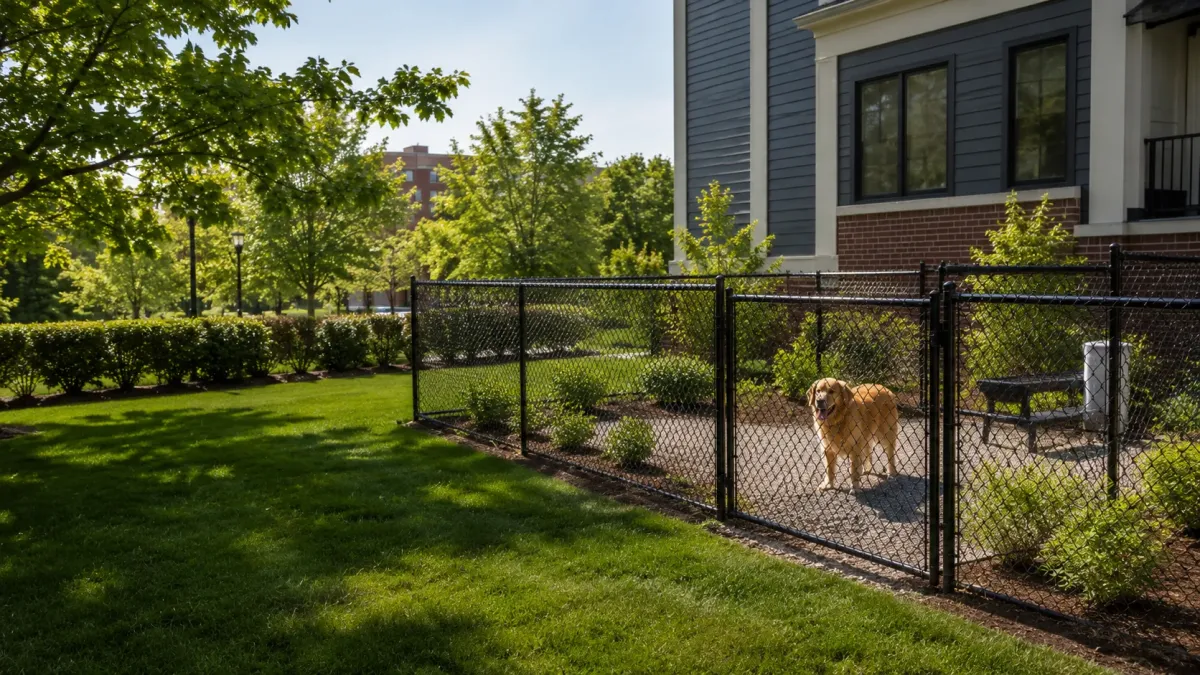
Chain link encloses the most ground for the least money and lasts decades.
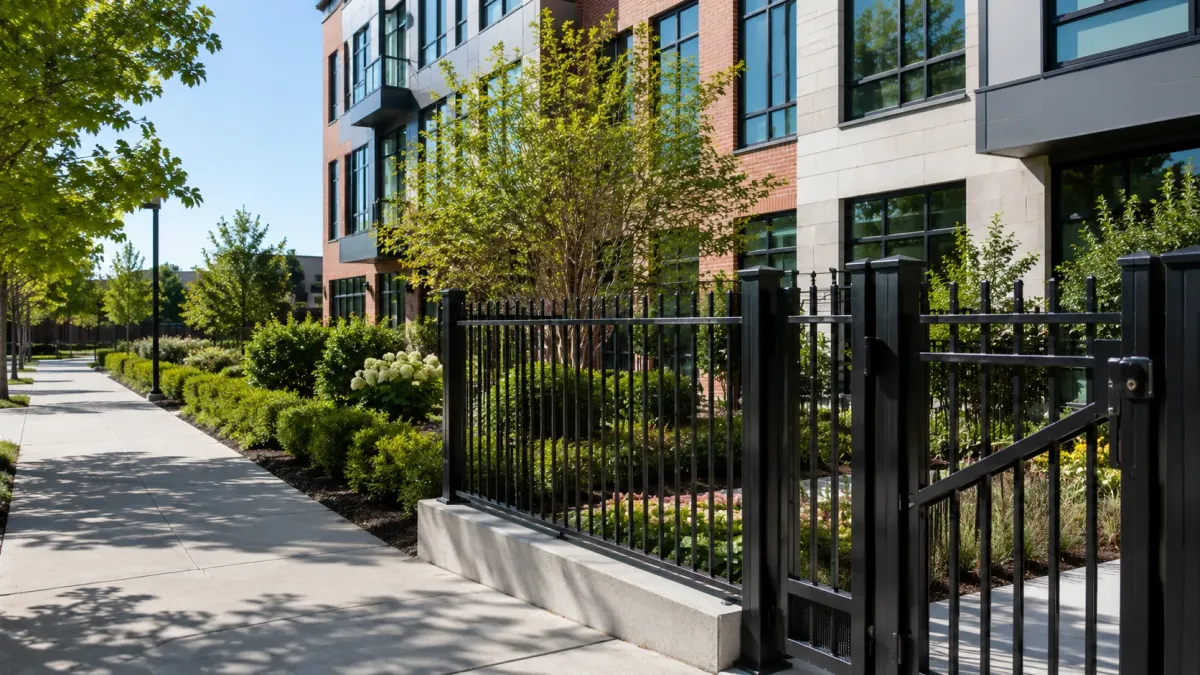
Commercial work is specified around access control, screening obligations and site liability.
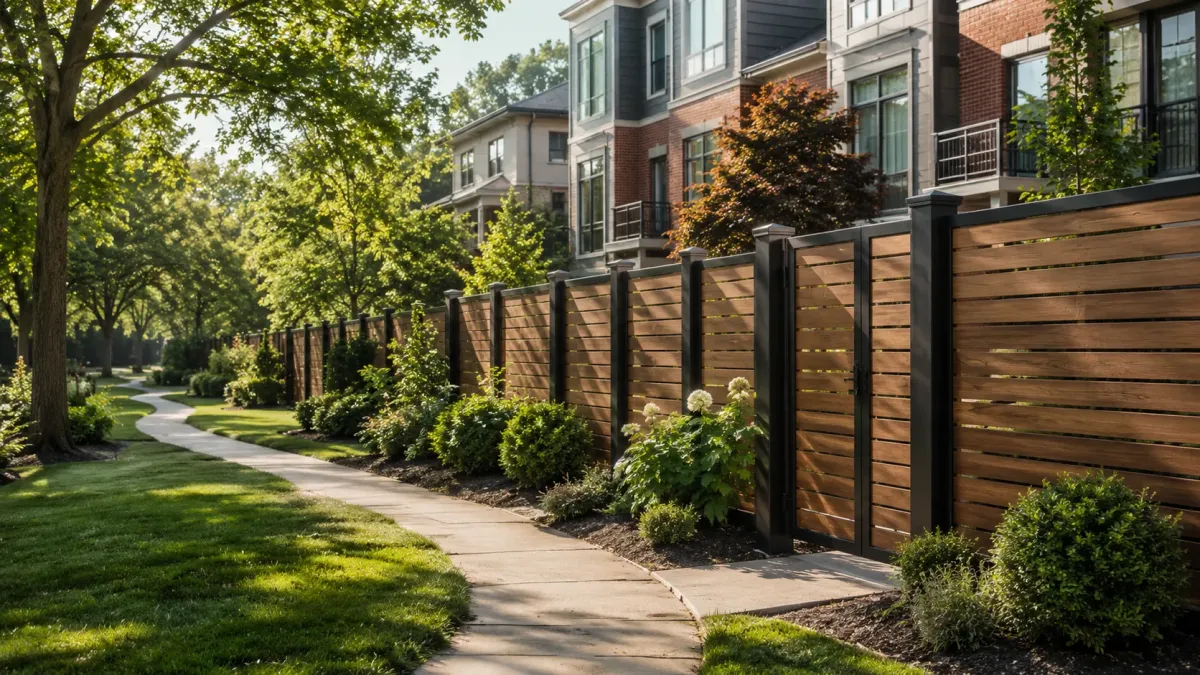
Association fencing needs a written scope a board can approve before any work is booked.
Towns We Serve Around Cambridge
Fence installation and repair, based in Cambridge
Belmont, Somerville, Arlington, Newton and Brookline each set their own fence height limits, review bodies and permit routes. The differences are not cosmetic. They decide whether a job needs commission sign-off first, and how far ahead it has to be scheduled.
Frequently Asked Questions
Fence Installation can be complex, and we’re here to provide answers to common questions. Here are some frequently asked questions from our clients.
Frequently Asked Questions about fence contractors cambridge ma
How much does a fence cost in Cambridge?
There is no single price for a Cambridge fence. Cost follows the material, the length of the run, how much of the old fence has to come out, and whether a truck can reach the line or everything gets carried through a narrow side yard. On tight lots that access question moves the number more than the material choice does. We quote after walking the property.
Do I need a permit for a fence in Cambridge, MA?
That depends on height and on where the property sits. Fences above the threshold set in the state building code are permitted through the Inspectional Services Department. Separately, exterior work visible from a public way inside a Neighborhood Conservation District goes to the Cambridge Historical Commission before a permit is issued. We confirm both for your address before scheduling anything.
What is the maximum fence height without a permit in Massachusetts?
The state building code sets a baseline, and individual cities and towns add stricter limits on top of it. That is why the answer changes between Cambridge and the towns next door, and why front-yard limits are almost always lower than side and rear. We check the current rule for the specific address rather than working from a general figure.
How tall can a fence be in a Massachusetts front yard?
Front-yard fences are held to a lower limit than side and rear yards in every community we work in, and several also require the fence to be partly open rather than solid. Newton caps front-yard fences at four feet and requires them to be at least fifty percent open. We confirm the local figure before anything is designed or ordered.
What is a spite fence in Massachusetts?
Massachusetts treats an unusually tall boundary fence built mainly to annoy a neighbour as a private nuisance, and the neighbour can act on it. In practice it comes up when a fence runs higher than six feet along a shared line. Having the line surveyed and the abutter informed before installation is what keeps a project well clear of that argument.
How much does it cost to install a fence?
Installation labour is driven by what is underground and how the crew reaches the line. Old footings, buried utilities, ledge and mature roots all slow post setting, and a yard reachable only through a gap between two houses takes longer than one a truck can back into. Removing and disposing of an existing fence is a separate line. We price all of it after a walkthrough rather than from a phone description.
Frequently Asked Questions about Chain Link Fence Installation
Is chain link allowed in a Cambridge front yard?
Height limits apply to chain link the same as any other fence, and inside a conservation district the Cambridge Historical Commission will look at it like any other visible exterior change. In practice chain link is easier to place in a rear or side yard than out front. We confirm what the address allows before quoting either way.
How long does a chain link fence last?
A galvanised system with properly braced terminal posts commonly outlasts several wood fences. The coating is what determines it, so damage that exposes bare steel at a cut end is the thing to watch. Vinyl-coated mesh adds a further layer of protection on top of the galvanising.
Can chain link be made private?
Partly. Slats woven vertically through the mesh give meaningful screening without turning the fence into a solid wall, and mesh screening fabric does something similar. Neither matches a board fence for privacy or sound. Where full screening is the objective and the rules allow it, a solid fence is the right answer and we will say so.
Will a chain link fence hold a dog?
For most dogs, yes, with the right specification. A bottom rail or tension wire stops digging under, and mesh gauge and height are chosen against the animal rather than to a default. Climbers and diggers need specific detailing, so tell us what the dog actually does and we will size the enclosure to it.
Plan Your Cambridge Chain Link Fence
What Our Satisfied Clients Have to Say About Cambridge Fence Installation
We pride ourselves on delivering great results and experiences for each client. Hear directly from home and business owners who’ve trusted us with their Fence Installation needs.
The Trusted Fence Installation Expert Near You
Ready to hear more about expert services at Cambridge Fence Installation?
Contact us today to receive a detailed, no-obligation quote.

Serving East Cambridge, Cambridgeport, Mid-Cambridge, Riverside, West Cambridge, North Cambridge, Strawberry Hill & Greater Cambridge
Mon–Fri 8AM–6PM | Sat 9AM–4PM | Sun 10AM–2PM


